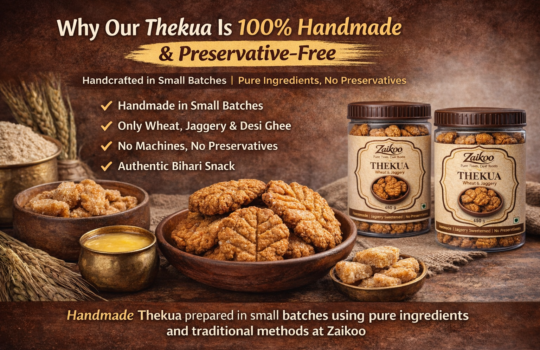
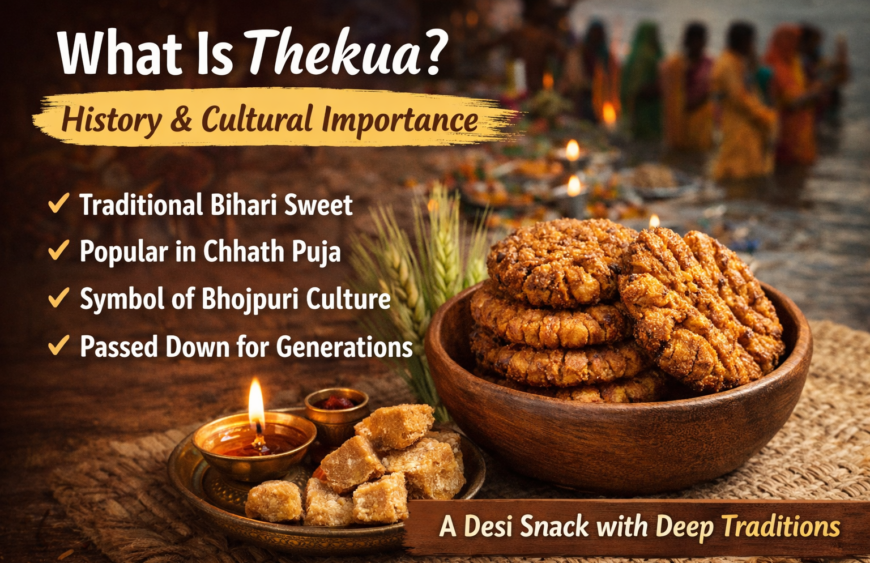
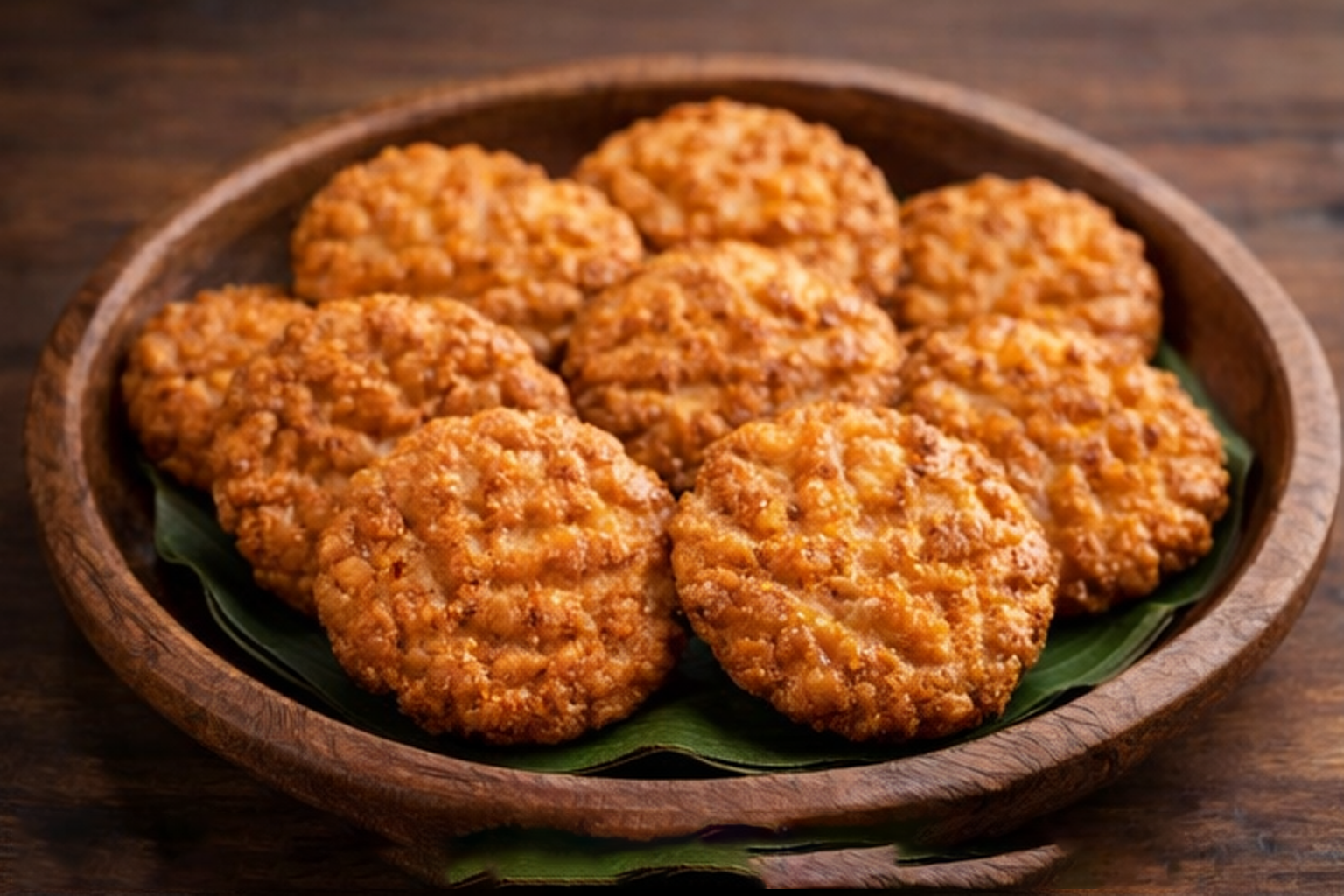
 Thekua is a traditional Indian sweet snack that originates from Bihar, Jharkhand, and eastern Uttar Pradesh. Made using simple, natural ingredients like whole wheat flour, jaggery or sugar, and ghee, Thekua is known for its crunchy texture, rich aroma, and long shelf life. More than just a sweet, Thekua holds deep cultural and emotional significance, especially during Chhath Puja. In recent years, Thekua has gained popularity across India as people rediscover the charm of traditional, preservative-free foods.
The History of Thekua
Thekua has been prepared in Indian households for hundreds of years, long before packaged biscuits and bakery items existed. Traditionally, it was made by women of the house using stone grinders and iron molds, then deep-fried in ghee or mustard oil.
Because Thekua stays fresh for many days without refrigeration, it became an ideal food for:
-
- Long religious fasts
-
- Festivals
-
- Travel and offerings
Over generations, the recipe was passed down orally, making each family’s Thekua slightly unique while keeping the soul of the preparation intact.
Ingredients Used in Traditional Thekua
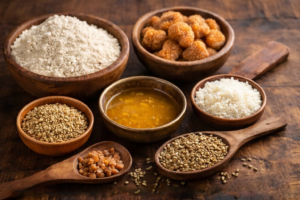
Authentic Thekua is known for its clean and minimal ingredients:
-
- Whole wheat flour (atta): Gives body and nutrition
-
- Jaggery or sugar: Traditional sweetness (jaggery preferred)
-
- Ghee or edible oil: Adds aroma and crispness
-
- Fennel seeds (saunf): Light digestive and flavor
-
- Dry coconut (optional): Added crunch
-
- Water or milk: To bind the dough
Unlike modern snacks, no preservatives, artificial colors, or chemicals are used in traditional Thekua.
Why Thekua Is Important in Chhath Puja
Thekua holds a special place in Chhath Puja, one of the most sacred festivals in Bihar and neighboring regions. It is prepared as prasad (holy offering) for the Sun God (Surya Dev).
Why Thekua is chosen for Chhath:
-
- Made with purity and devotion
-
- Prepared without onion, garlic, or additives
-
- Long shelf life
-
- Symbol of tradition and discipline
During Chhath, offering Thekua is considered incomplete if it is not prepared with care and cleanliness.
Cultural Importance of Thekua
Thekua is not just food—it is emotion, tradition, and identity.
-
- It connects people living away from their hometowns
-
- It reminds families of festivals and togetherness
-
- It represents Indian culinary wisdom
For many migrants living in metro cities, Thekua brings a taste of home and nostalgia.
Thekua vs Modern Biscuits
| Thekua | Packaged Biscuits |
|---|---|
| Made from natural ingredients | Often contain preservatives |
| Traditional recipe | Industrial processing |
| No artificial flavors | Artificial flavors common |
| Cultural & religious value | Commercial snack |
This comparison is one reason why people are slowly returning to traditional snacks like Thekua.
Is Thekua Still Relevant Today?
Yes, more than ever.
With rising awareness about clean eating and traditional foods, Thekua is now:
-
- Sold online across India
-
- Used as festive gifts
-
- Preferred over highly processed snacks
Modern brands are combining traditional taste with hygienic packaging, making Thekua suitable for today’s lifestyle.
Conclusion
Thekua is a timeless Indian sweet that represents heritage, simplicity, and devotion. From ancient kitchens to modern homes, its journey reflects the strength of Indian food traditions.
Whether enjoyed during Chhath Puja or as a tea-time snack, Thekua continues to hold a special place in Indian hearts.
Looking for authentic, freshly made Thekua prepared using traditional methods? Explore our handcrafted Thekua made with care, purity, and love.